AMA Works to Make AI a Key Doctor Tool in Training
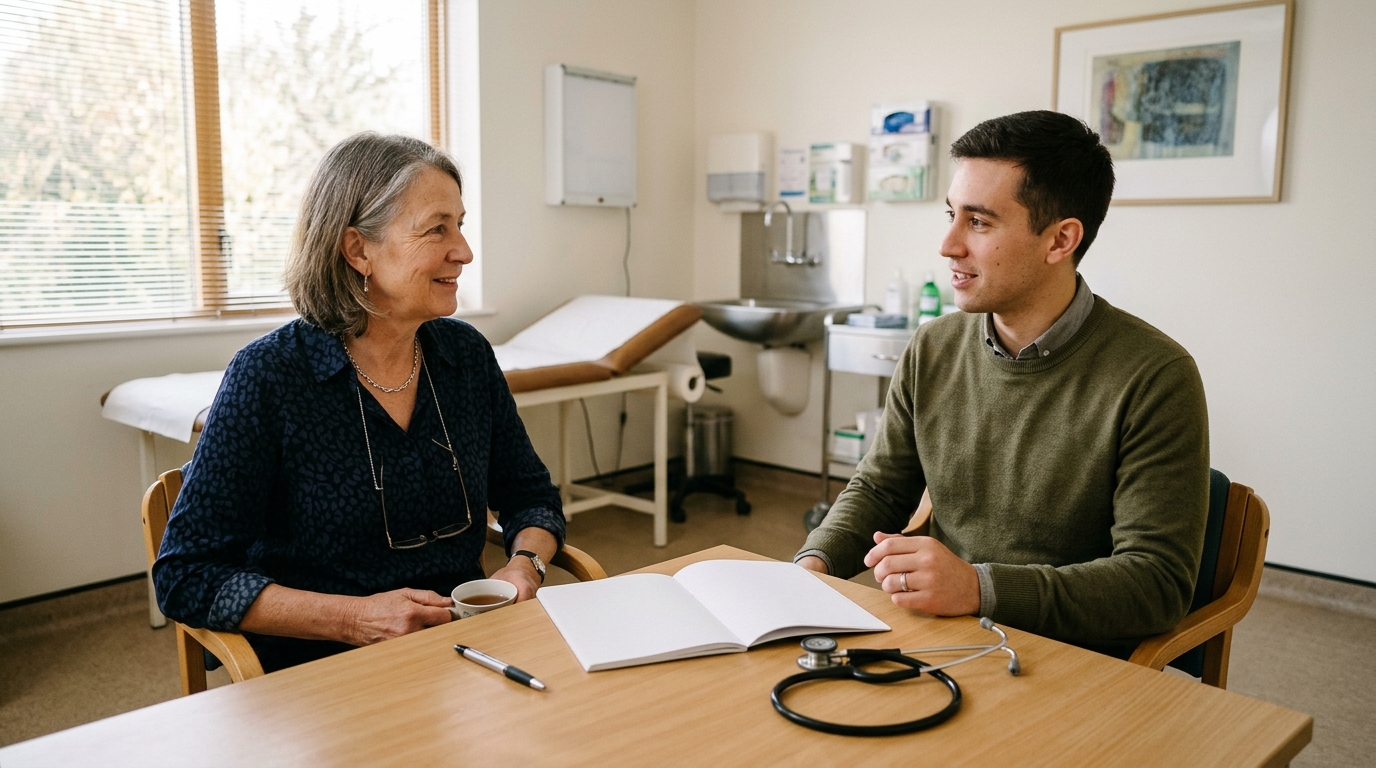
The American Medical Association wants to make artificial intelligence a core tool for doctors during residency training. Medical residents will now learn how to work with smart software while they practice medicine. This shift aims to prepare new doctors for a changing healthcare system.
What is AI in residency training?
Residency is the hands-on stage where medical school graduates train in clinics and hospitals. The American Medical Association believes these trainees must learn how computer tools work in daily care. Using AI in residency training gives doctors early practice with programs that review charts, check scans, and organize patient notes.
Doctors need to know what technology does well and where it makes mistakes. Learning these systems early helps young physicians build good habits before they practice on their own. It also ensures that technology assists doctors instead of getting in the way of patient care.
How will AI tools help everyday patients?
When doctors understand new tech tools, office visits can run much smoother. Software can help sort through long medical records in seconds, so doctors spend less time typing on keyboards. That leaves more room for eye contact, clear answers, and thoughtful discussions during your checkup.
Smart tools can also alert medical teams to small changes in lab numbers or vital signs. While the computer flags potential issues, the human doctor still makes the final choices. Patients get the benefit of modern software combined with the careful judgment of a trained physician.
What skills will future doctors learn?
The goal is not to replace human doctors with computers. Instead, the focus is on teaching residents how to check computer outputs with care. Here are a few key things young doctors need to master:
- How to spot errors or bias in computer recommendations.
- Ways to protect private patient data when using digital platforms.
- Methods to explain high-tech care options to patients in simple words.
- How to save time on paperwork so they can focus on bedside care.
Medical groups want to ensure that every new doctor feels confident around these new tools. When residents practice with modern systems every day, they make fewer errors later in their careers. Good habits formed during residency stick with a physician for decades.
What comes next for medical education?
Hospitals across the country will need to update their lesson plans for new residents. Teaching staff must learn how to grade young doctors on tech skills along with bedside manner. This means medical schools and clinics will work together to create standard rules for digital safety.
Patients will soon see the results of this training during regular clinic visits. Future physicians will know how to use digital helpers without losing their human touch. The American Medical Association plans to guide programs as these smart tools become standard in modern medicine.


Comments
Post a Comment